



When you're trying to conceive, every little thing suddenly feels like it could make or break your chances. What you eat, when you have sex, what position you try. And if you need extra moisture during timed sex (which is super common), you're probably wondering: could lubricant actually hurt my fertility?
Short answer: the research says no. But let's get into the details so you can stop worrying and start focusing on what actually matters.
Where the Worry Comes From
Most of the concern about lube and fertility comes from lab studies. Researchers have taken sperm samples, put them in test tubes with various lubricants, and found that some water-based products reduce sperm motility (how well sperm swim) and viability (how many survive).
That sounds scary when you read the headlines. But what happens in a test tube is really, really different from what happens inside your body during sex.
What Real-World Research Actually Found
A large study published in BJOG followed 6,467 women who were actively trying to get pregnant across Denmark and North America. Researchers tracked which women used lubricant, what kind they used, and how long it took them to conceive [1].
The results were clear: lubricant use was not associated with reduced fecundability, which is your per-cycle chance of getting pregnant.
Water-based, oil-based, silicone-based, even those marketed as "fertility-friendly," none of them showed a meaningful reduction in the likelihood of conceiving. Women who used lubricant got pregnant at the same rate as women who didn't.
So while lab studies might raise an eyebrow, the biggest real-world study on this topic found no evidence that lube makes it harder to get pregnant.
Why Lab Results Don't Tell the Whole Story
In lab studies, sperm sit in lubricant for extended periods, sometimes five minutes, sometimes up to 24 hours. During actual intercourse, the timeline is completely different. Sperm pass through the cervix in as little as one minute after ejaculation.
Your body also offers protections that a petri dish simply can't replicate. Semen coagulates immediately after ejaculation to create a protective barrier around sperm. Cervical mucus actively helps guide healthy sperm toward the egg. And the vaginal environment, while acidic, isn't the hostile testing ground of a laboratory.
The exposure time and conditions in a lab just don't match what happens during real sex, which is why the real-world data looks so different.
Why You Might Actually Need Lube While Trying to Conceive
Here's something that doesn't get talked about enough: vaginal dryness is surprisingly common when you're TTC. The stress of trying to conceive, the pressure of timed sex, and the total lack of spontaneity that comes with tracking ovulation can all reduce your natural lubrication.
And when sex feels dry and uncomfortable, it affects more than just the physical experience. The emotional toll of forcing yourself through painful or unpleasant intercourse month after month can strain your relationship and your mental health.
Using a good personal lubricant makes sex more comfortable and more enjoyable, which honestly matters a lot when you're doing it on a schedule. Your body deserves to feel good during this process, not just endure it.
If dryness is more persistent and bothering you outside of sex too, a hydrating vaginal insert used between sessions supports overall tissue hydration so you feel more comfortable when it's go time.
What to Look for in a Lubricant When TTC
Even though the evidence says lube doesn't hurt fertility, choosing a quality product still matters for your comfort and vaginal health. Here's what to prioritize:
-
Water-based and gentle on sensitive tissue
-
Glycerin-free to reduce the risk of yeast infections (nobody needs that while TTC)
-
pH-balanced to support your natural vaginal environment
-
No parabens, fragrances, or harsh chemicals
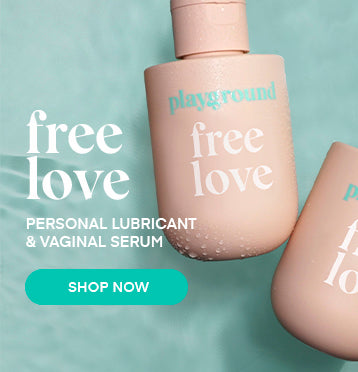
A glycerin-free water-based lubricant like Free Love checks all of those boxes. Made with soothing vitamin E and hyaluronic acid, the formula actually protects delicate tissue while keeping everything comfortable and slippery.
What About "Fertility-Friendly" Lubes?
Some lubricants are specifically marketed as "fertility-friendly" because they're formulated to match the pH of cervical mucus. The idea is that a pH-matched lube creates a more hospitable environment for sperm.
Interestingly, the same large study found that these pH-balanced "fertility-friendly" lubricants didn't offer a measurable advantage over standard water-based options when it came to actual pregnancy rates [1].
That doesn't mean they're bad. A pH-balanced lubricant is still great for your vaginal health, whether you're TTC or not. Just know that "fertility-friendly" on the label doesn't necessarily translate to a higher chance of conceiving. You don't need to spend extra for a specialty product when a quality water-based lube does the job.
Trying to conceive is stressful enough. Using lube to make things more comfortable is one less thing to worry about.
FAQs
Should I avoid lubricant when trying to get pregnant?
Based on the largest real-world study available, there's no need to skip lube while TTC. Using personal lubricant can actually help by making timed intercourse more comfortable and less stressful.
Does lube kill sperm?
Lab studies show some lubricants can affect sperm in test tubes, but real-world research involving thousands of couples hasn't found a link between lube use and reduced fertility.
What type of lube is best when trying to conceive?
A water-based, glycerin-free, pH-balanced lubricant is a solid choice. Definitely avoid anything containing spermicide, which is specifically designed to immobilize sperm.
Can I use coconut oil as lube while TTC?
Coconut oil breaks down latex condoms and hasn't been studied for fertility safety in large-scale populations. A water-based intimate lubricant is a more reliable and well-researched option.
Is vaginal dryness normal when trying to conceive?
Very much so. Stress, anxiety, and the pressure of timed intercourse can all reduce natural lubrication. Using a good lube makes the whole process more comfortable for you and your partner.
References
[1] McInerney, K. A., Hahn, K. A., Hatch, E. E., Mikkelsen, E. M., Steiner, A. Z., Rothman, K. J., Sørensen, H. T., Snerum, T. M., & Wise, L. A. (2018). Lubricant use during intercourse and time to pregnancy: A prospective cohort study. BJOG: An International Journal of Obstetrics and Gynaecology.


