



Understanding Why Your Sex Drive Changes After Baby
Your libido didn't disappear. It's being affected by what's happening in your body and life right now.
Pregnancy and childbirth trigger massive hormonal shifts. Estrogen and progesterone, which were elevated during pregnancy, drop dramatically after delivery.
Meanwhile, prolactin levels surge, especially if you're breastfeeding.[1] This hormone, which supports milk production, naturally suppresses sexual desire as part of your body's postpartum recovery.
Beyond hormones, you're dealing with physical exhaustion. Sleep deprivation is real, and it tanks libido faster than almost anything else. Your body is healing from a significant physical event. If you had a vaginal delivery, your pelvic floor needs rehabilitation. If you had a cesarean section, you're recovering from major surgery. These realities matter, and they affect how you feel about intimacy.
Add emotional factors into the mix. You're adjusting to being a mother. Your identity has shifted. Body image concerns are common. If you're breastfeeding, your breasts may feel utilitarian rather than sensual. Many women describe feeling "touched out" by the constant physical demands of a newborn.
Here's what matters most: all of this is completely normal. Your body isn't broken. You're not broken. You're in a phase of recovery that requires patience and support.
When Does Your Libido Actually Return?
This varies dramatically, and that's important to know upfront.
Some women feel their desire returning around the six-week mark when they're cleared for sex. Others don't experience a notable shift until six months postpartum. Many don't feel like themselves sexually until 12 to 18 months after birth.
If you're breastfeeding, recovery typically takes longer. Elevated prolactin levels directly suppress sexual desire, and this continues as long as you're nursing. Once you start weaning or stop breastfeeding entirely, prolactin levels decline and libido often follows.
But here's what research shows: individual factors matter more than these timelines. Your recovery depends on your overall health, your relationship, how much support you have, your mental health, and yes, your hormones. There's no "normal" timeline. There's only your timeline.
Physical Recovery Steps That Actually Support Libido
You can't feel sexy if your body doesn't feel good. Physical recovery is foundational to libido recovery.
Pelvic Floor Rehabilitation
Your pelvic floor muscles have been through a lot, whether you delivered vaginally or had a cesarean. These muscles support arousal and pleasure. Pelvic floor physical therapy isn't just about preventing incontinence. It's about reclaiming sensation and function.
Work with a pelvic floor physical therapist if possible. If that's not accessible, gentle exercises like bridges and modified squats can help. The goal isn't to "fix" anything. It's to rebuild strength and awareness in a way that feels good.
Movement That Energizes
You don't need intense workouts. Walking, gentle yoga, or swimming can boost energy levels and improve circulation to your genital area. Exercise also elevates endorphins and improves mood, both of which support desire.
Start small. A 20-minute walk several times a week can make a difference in how you feel overall.
Nutrition for Energy and Hormone Support
Your body needs real fuel to produce hormones and energy. Protein, healthy fats, and whole foods matter more now than they did before baby arrived.
Foods rich in omega-3 fatty acids (like salmon and flaxseed) support blood flow and hormone production. Iron-rich foods help combat postpartum anemia, which absolutely tanks libido. B vitamins support energy. Don't overthink it, but do feed yourself well.
Prioritize Sleep When You Can
Sleep deprivation is one of the biggest libido killers. It's also one of the hardest things to control with a newborn. Do what you can: nap when the baby naps, go to bed earlier when possible, and ask your partner or support system to take a night so you can sleep uninterrupted.
Hormonal Changes and Natural Ways to Support Balance
Your hormones will rebalance on their own, but you can support this process.
Understanding Prolactin's Role
If you're breastfeeding, prolactin is doing exactly what it's supposed to do: supporting milk production and naturally suppressing ovulation and sexual desire. This is biology working as intended during the postpartum period.
As you breastfeed less frequently or wean, prolactin levels drop. Libido often follows. This isn't something you need to "fight." It's a process to move through.
Stress Management
Chronic stress elevates cortisol, which suppresses sex hormones. Postpartum life is inherently stressful, but you can reduce unnecessary stress.
Deep breathing, meditation, or even five minutes of quiet time can help regulate your nervous system. Stress management isn't indulgent. It's essential for hormonal balance.
Optimize Your Sleep Schedule
Sleep deprivation elevates cortisol and suppresses sex hormones. It also makes everything feel harder. Protect sleep as much as you can.
Communication with Your Partner: The Foundation for Intimacy
Your partner needs to understand what's happening in your body and mind. This conversation needs to happen outside the bedroom.
Have an Honest Conversation
Tell your partner: "My libido has changed, and here's why. It's not about you or our relationship. It's about my body and what I'm experiencing." Many partners assume low libido means low interest in the relationship. Clarifying that it's physiological can reduce anxiety and resentment.
Set Realistic Expectations Together
Postpartum sex doesn't look like pre-baby sex for a while. Expect shorter encounters. Expect that you might need lubrication. Expect that some days you won't want sex at all, and that's okay.
Build Non-Sexual Intimacy
Affection doesn't have to lead to sex. Cuddling, kissing, hand-holding, and massage can rebuild physical connection without pressure. Non-sexual touch often reconnects couples better than jumping straight back into sex.
Consider Professional Support if Needed
If communication feels stuck or resentment is building, couples counseling can help. A therapist trained in postpartum issues understands the unique dynamics of this phase.
Self-Care Practices That Actually Boost Desire
Libido starts in your mind and heart. Taking care of yourself matters.
Prioritize Your Mental Health
Postpartum depression and anxiety directly suppress libido. If you're experiencing persistent sadness, anxiety, or disconnection, talk to your healthcare provider. Treatment can help.
Even without depression, prioritize your mental health. Journaling, therapy, or talking with other mothers can process the emotional weight of postpartum life.
Practice Body Acceptance
Your body grew and birthed a human. It's different now, and that's not a bad thing. Stretch marks, softer skin, and a different shape are evidence of what your body accomplished.
This doesn't mean you have to love every change. But practicing acceptance rather than criticism creates space for pleasure.
Carve Out Personal Time
You need time that's just for you, not as a mother or partner. Even 15 minutes alone can help you feel like yourself again. That sense of self is essential for desire.
Manage Touched-Out Feelings
If you're breastfeeding or holding a baby all day, the idea of more physical contact can feel overwhelming. Set boundaries. Tell your partner: "I need some space right now." This is temporary, and acknowledging it helps.
Rebuilding libido after birth involves more than hormones and rest — the imaginative side of desire matters too, and learning about how sexual fantasy functions in women's arousal can be a low-pressure way to reconnect with that part of yourself.
Creating the Right Environment for Postpartum Intimacy
Logistics matter more now than they ever have.
Timing Matters
Sex earlier in the day when you have more energy beats late night when you're exhausted. If the baby naps, that might be your window.
Prioritize Comfort
Your body may still be healing. Lubrication isn't optional; it's necessary. Your vaginal tissues may be drier, especially if you're breastfeeding. Using a high-quality lubricant designed for sensitive postpartum bodies makes a real difference.
Our Love Sesh water-based lubricant is specifically formulated for sensitive skin and includes hyaluronic acid for hydration and ashwagandha to support relaxation. It's fragrance-free and clinically tested, so it won't irritate healing tissue.
If penetrative sex feels too much right now, explore other forms of intimacy. Massage, manual stimulation, or oral sex can reconnect you physically without pressure.
Set a Mood That Works for You
You don't need candles and rose petals if that doesn't feel authentic. Mood is personal. Some women want quiet; others want music. Some want dimmed lights; others want privacy first and foremost. Honor what actually works for you.
Go Slowly
Reintroduce intimacy gradually. First comes non-sexual touch. Then comes sexual touch without intercourse. Then comes intercourse if and when you're ready. There's no rush.
Safe Products to Enhance Comfort During Postpartum Intimacy
Clean, hormone-free intimate care products can make a meaningful difference in how your body feels.
The Importance of Clean Formulations
Your postpartum body is sensitive. Products with fragrance, parabens, or petrochemicals can irritate healing tissue and disrupt your vaginal pH. Clean formulations matter.
Water-Based Lubricants for Comfort
A quality water-based lubricant reduces friction and increases comfort during sex when your body may not be producing enough natural lubrication. Our Date Night water-based lubricant is plant-based, pH-balanced, and includes ashwagandha and black cohosh to support relaxation and comfort. You can also pair it with your favorite Playdate Bundle for maximum play.
Intimate Care Products for Hydration
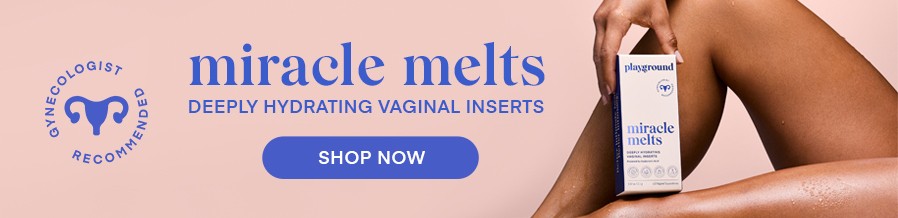
Vaginal dryness is extremely common postpartum, especially if you're breastfeeding. Our Miracle Melts vaginal inserts are specifically designed to support vaginal hydration and comfort. These hormone-free, hypoallergenic inserts contain hyaluronic acid and glycerides to deeply hydrate vaginal tissue. Use them 2-3 times per week to support comfort during the entire postpartum period, not just during sex.
Research shows that hyaluronic acid vaginal products are effective at improving vaginal dryness symptoms, with improvement rates exceeding 80% after consistent use.[2]
Mood-Enhancing Products
Desire often needs a little support postpartum. Our Mood Maker intimate oil is designed to enhance pleasure and arousal through sensual application. You can amplify your pleasure even more with Playground's libido-awakening duo. It includes ashwagandha, damiana, and other plant-based ingredients known to support sexual wellness.
Apply it before intimacy for both physical comfort and psychological readiness.
You're Not Broken, You're Recovering
Your decreased libido isn't a sign that something's wrong with you or your relationship. It's evidence that your body is doing exactly what it needs to do during recovery.
Recovery looks different for every woman. Some regain desire quickly. Others take longer. Both are normal.
In the meantime, be patient with yourself. Support your body with rest, nutrition, and movement. Use products designed for postpartum comfort like lubricant inserts for women(Miracle Melts) to address dryness and Love Sesh lubricant to make intimacy more comfortable. Communicate with your partner. Prioritize your mental health.
Your libido will return.
You will feel like yourself again, even if that version of yourself is slightly different than before.
That's not a loss. That's growth.
FAQ
Q: How long after giving birth can I expect my libido to return?
Libido recovery varies greatly, typically ranging from 6 weeks to 18 months postpartum. Breastfeeding mothers often experience longer delays due to elevated prolactin levels. There's no "normal" timeline; individual factors like overall health, relationship quality, mental health, and sleep significantly influence recovery.
Q: Is it normal to have no sexual desire months after giving birth?
Yes, completely normal. Hormonal changes, physical recovery, sleep deprivation, and emotional adjustments all contribute to decreased libido postpartum. Research indicates that vaginal dryness alone affects over 40% of postmenopausal women[3] and similar patterns emerge postpartum due to hormone fluctuations.
Q: Can breastfeeding affect my sex drive permanently?
No. Breastfeeding's impact on libido is temporary. Prolactin levels decrease as breastfeeding frequency reduces, typically allowing libido to gradually return as you wean or discontinue breastfeeding.
Q: What natural methods help increase postpartum libido?
Focus on adequate sleep, stress management, gentle exercise, proper nutrition, open communication with your partner, pelvic floor rehabilitation, and using safe, comfortable intimate products designed for sensitive postpartum bodies.
Q: When should I be concerned about low postpartum libido?
Consult your healthcare provider if you experience persistent pain during intimacy, severe mood changes, or if lack of desire significantly impacts your relationship after 12+ months postpartum.
Q: Are there safe products to help with postpartum intimacy?
Yes. Water-based lubricants like Love Sesh and hydrating vaginal products like Miracle Melts are specifically formulated for sensitive postpartum bodies and can enhance comfort and pleasure during intimacy recovery.
References
[1] Gandhi, J., Chen, A., Dagur, G., et al. (2016). Genitourinary syndrome of menopause: an overview of clinical manifestations, pathophysiology, etiology, evaluation, and management. American Journal of Obstetrics and Gynecology.
[2] Chen, J., Geng, L., Song, X., et al. (2013). Evaluation of the efficacy and safety of hyaluronic acid vaginal gel to ease vaginal dryness: a multicenter, randomized, controlled, open-label, parallel-group clinical trial. Journal of Sexual Medicine.
[3] Waetjen, L.E., Crawford, S.L., Chang, P.Y., et al. (2018). Factors associated with developing vaginal dryness symptoms in women transitioning through menopause: a longitudinal study. Menopause.


