



The Real Talk About Daily Lube Use
You're not alone if you've wondered whether using lubricant every day is safe. Maybe you're experiencing vaginal dryness that doesn't quit, or perhaps sex has become uncomfortable. Whatever brought you here, it's a totally valid question, and one that more women are asking than you might think.
The short answer: yes, using a water-based lubricant daily is safe for most women when you choose the right formula. But here's what you actually need to know about keeping things comfortable, healthy, and honestly, pretty pleasurable.
Why Daily Lube Use Might Be Right for You
Understanding Vaginal Dryness Beyond Menopause
Vaginal dryness isn't just a menopause problem, even though that's what everyone talks about. Around 10 to 30 percent of women experience painful sex at some point in their lives, and dryness can strike at any age due to hormonal birth control, stress, postpartum changes, certain medications, or even dehydration.[1]
The prevalence of vaginal dryness increased from 19.4% among women at baseline to 34.0% over a 17-year study period, with the most rapid rise occurring around the final menstrual period. What might surprise you is that sexual activity itself can actually help maintain vaginal health through improved blood circulation and the production of natural lubricants.
When Your Body Needs Extra Support
Sometimes your body needs help. That's not a weakness or a sign something's wrong. It's actually pretty smart to recognize when additional lubrication would make sex more enjoyable and less painful.
If you're dealing with consistent dryness, daily lube use can mean the difference between avoiding intimacy altogether and actually enjoying your sexual life. That matters for your relationship, your confidence, and honestly, just your overall quality of life.
What Makes Water-Based Lube the Daily Safe Choice
Why Water-Based Beats Other Options for Regular Use
Water-based lubricants are the gold standard for daily use, and there's solid reasoning behind this. Unlike silicone-based lubes that can build up over time or oil-based options that disrupt your vaginal pH, water-based formulas work with your body rather than against it.
Alongside massage oils, consider exploring our mini vibrator guide for beginners.
The best personal lubricant for sensitive skin needs to respect your vaginal ecosystem. Your vagina naturally maintains a pH between 3.5 and 4.5, which keeps your beneficial bacteria (primarily Lactobacillus) happy and thriving.[2] A quality water-based lube designed for daily use maintains this balance instead of disrupting it.
The Ingredient Factor
Not all lubricants are created equal, and this is where things get really important for daily use.
When you're using something inside your body regularly, ingredients matter. Look for formulas that include:
Hyaluronic Acid: This naturally occurring substance in your body acts as a moisture magnet. It actually holds water, so it keeps things lubricated longer than basic water-based formulas. [Hyaluronic acid vaginal gel was shown to significantly improve clinical symptoms of vaginal dryness in postmenopausal women, with improvement rates of 84.44% after 10 applications.][3]
Glycerin: Despite rumors you might have heard, glycerin is safe for daily use and won't cause yeast infections. Glycerin is a sugar alcohol, not a sugar, and when applied topically, cannot feed yeast and cause it to grow. In fact, glycerin has antimicrobial properties when applied to the skin. Glycerin also helps your lube stay slippery longer, so you're not reapplying constantly during sex. If you'd still rather skip it, try the best glycerin-free lube instead.
Plant Extracts & Adaptogens: Ingredients like Ashwagandha, Black Cohosh, and Damiana can support your body's natural sexual response. [A high-concentration ashwagandha root extract led to significantly higher improvement in the Female Sexual Function Index total score, arousal, lubrication, orgasm, and satisfaction domains compared to placebo.][4]
What to Avoid: Skip formulas with propylene glycol (a petroleum byproduct that can irritate sensitive skin), parabens, phthalates, and artificial fragrances. These ingredients don't belong inside your body, especially if you're using lube daily.
The Safety Profile of Daily Water-Based Lube Use
What the Research Actually Shows
[Vaginal dryness and lubricant use were associated with subsequent reporting of pain during intercourse, but not with a decline in intercourse frequency, and this relationship was found to be independent of age, menopausal status, BMI, and hormone use.][5] What this means in plain English: using lube doesn't cause problems. In fact, it helps prevent painful sex from becoming a barrier to intimacy.
How Daily Use Affects Your Vaginal Health
Your vagina is incredibly resilient and self-regulating. Using a quality water-based lubricant daily doesn't damage this delicate ecosystem. Instead, when you choose the right formula, it supports your natural lubrication and protects against friction-related irritation.
Lubrication decreases friction, which applies to both physics and sex, and incorporating personal lubricants into sexual activity may help reduce the chances of developing a urinary tract infection because with less friction comes less movement of unwanted bacteria up into the urethra.[6]
Think of it this way: using a moisturizer on your face daily keeps your skin healthy. Using lube daily keeps your intimate tissues healthy too.
Daily routines thrive with water based lubricant benefits like pH-balanced hydration that supports vaginal health without irritation or residue.
Hydration Works From the Inside Out
Your vaginal health starts with full body hydration. [Sufficient liquid intake is essential for proper vaginal lubrication, and whole body dehydration may contribute to vaginal dryness.][7]
If you're experiencing daily dryness, make sure you're actually drinking enough water. Aim for at least 50 ounces of fluids daily. Yes, that's separate from what you're doing with lube. Your body needs the internal support too.
Choosing the Best Lubricant for Sensitive Skin and Daily Use
What Makes a Lubricant "Sensitive Skin Safe"
A truly sensitive-skin lubricant meets several criteria:
pH-Balanced: It should match your vagina's natural pH of around 3.5 to 4.5. Anything more alkaline disrupts your bacterial balance and increases infection risk.
Hypoallergenic: This means it's formulated to minimize allergic reactions. Look for products that have been clinically tested for skin sensitivity.
Free of Common Irritants: Parabens, phthalates, petroleum derivatives, and synthetic fragrances have no place in a daily-use intimate product.
Plant-Based When Possible: Natural ingredients are typically gentler than synthetic ones, though "natural" alone doesn't guarantee safety. Always check the full ingredient list.
Our Top Pick for Daily Use
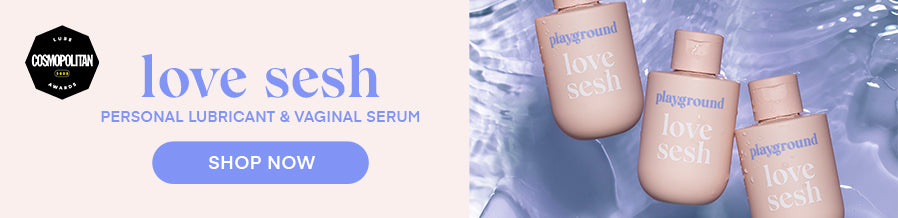
Love Sesh Water-Based Vaginal Serum & Personal Lubricant is specifically designed for everyday comfort. It's fragrance-free, packed with ingredients that support vaginal health, and at 3.7 fl oz, one bottle lasts a solid amount of time with daily use.
Playground's lubricants-Date Night includes Hyaluronic Acid for sustained moisture, Ashwagandha for stress relief and arousal support, Black Cohosh for hormonal balance, and Vitamin E for tissue nourishment.
For women who want a different option, Free Love Water-Based Vaginal Serum & Personal Lubricant offers similar benefits in a glycerin-free formula, giving you flexibility based on your body's preferences.
Both are pH-balanced, clinically tested, made in the USA, and formulated with every ingredient that actually serves your body.
Daily Lube Use and UTIs: What You Need to Know
The Real Connection Between Friction and Infections
Here's a truth that isn't talked about enough: friction during sex can increase your UTI risk. [Friction from sexual activity pushes bacteria to the urethra and upwards deeper into the urinary tract.][6] E. coli bacteria account for more than 90% of all UTIs, and this bacteria lives within the intestine where it helps with digestion, but if it proliferates in other areas of the body, it can make you sick.
How Daily Lube Reduces Infection Risk
Using a quality lubricant for sensitive skin actually helps prevent UTIs. By reducing friction and potential micro-tears in vaginal tissue, you're creating a protective barrier against bacterial invasion. This is especially important if you're having sex regularly.
Reducing friction is one layer of a satisfying experience, but the mental side matters just as much — and understanding how women use fantasy to build arousal is part of what makes intimate experiences feel more intentional rather than purely functional.
[Lubrication prevents skin tissue injury, which can reduce bacterial infections, and women who are prone to vaginal dryness and recurrent UTIs may see their infections decline by using personal lubricants as well as taking other preventive measures.][6]
Making Daily Lube Part of Your Wellness Routine
Integrating Lube Into Your Sex Life Naturally
Daily lube use isn't just about penetrative sex. Think of it as part of your sexual wellness toolkit. Before intimacy, apply some to your vulva and vaginal opening. Let it warm up with your body. You can also use it during foreplay to enhance sensation and comfort.
If you're in a long-term relationship, your partner can help apply it. This can actually be a fun, intimate part of your foreplay. There's nothing clinical about it when you frame it right.
Storage and Consistency Tips
Store your water-based lube at room temperature. Heat and cold can affect the consistency. Keep the cap tightly closed between uses. Most formulas stay fresh for several years when stored properly.
If you find a water-based formula dries out during sex, that's totally normal. You can add a little water to reactivate it or apply more lube. It's safe to reapply as many times as you want during intimacy.
Complementary Products for Complete Comfort
If daily dryness is really affecting your life, consider layering your approach. Miracle Melts Deeply Hydrating Vaginal Inserts work beautifully alongside daily lube use. These vaginal suppositories melt at body temperature and provide deeper, longer-lasting hydration than lube alone. Some women also find that combining topical products with supplements for vaginal dryness can offer even more comprehensive relief by addressing the root hormonal causes alongside daily moisture support.
Use Miracle Melts a few times a week, and use Love Sesh or Free Love lube when you're expecting sexual activity. Together, they address both baseline vaginal moisture and immediate sexual comfort.
What Happens When You Stop Using Lube Regularly
If you stop using lube regularly and your dryness persists, your symptoms will return. This isn't a sign lube is bad for you. It's a sign your body needed that support.
If your dryness is hormone-related, you might need lube long-term. If it's situational (stress, a particular medication, postpartum), you might eventually phase off. But there's zero harm in using it for as long as you need it.
Addressing Common Concerns About Daily Use
Won't My Body Become Dependent on Lube?
No. Your vagina won't "forget" how to lubricate on its own just because you're using additional lube. Dryness is caused by hormonal changes, stress, medications, or other physical factors. Using lube doesn't create those problems, and stopping lube doesn't fix them.
Will Daily Lube Use Cause Infection?
Not if you're using a properly formulated product. In fact, a quality water-based lube reduces infection risk. The key is choosing a pH-balanced formula without irritating ingredients.
What if I'm allergic to an ingredient?
If you experience burning, itching, or unusual discharge after using a lube, stop using it and switch to a different formula. Most allergic reactions aren't to water-based lube in general, but to a specific ingredient. Try a different brand or a glycerin-free option like Free Love.
If irritation persists across multiple products, see your gynecologist to rule out an actual allergy or other vaginal condition.
The Bottom Line on Daily Water-Based Lube
Using a quality, best personal lubricant for sensitive skin every day is safe, healthy, and honestly pretty smart. Your body deserves comfort during intimacy, and there's absolutely nothing wrong with supporting that comfort with a product designed specifically for your vaginal health.
The research backs this up. Clinical studies show that appropriately formulated water-based lubricants improve sexual satisfaction without harming your vaginal ecosystem. They reduce infection risk, support tissue health, and help you actually enjoy sex instead of dreading it.
If you're experiencing daily dryness, start with Love Sesh Water-Based Vaginal Serum & Personal Lubricant for immediate comfort. Layer in Miracle Melts a few times weekly for deeper, sustained hydration. This combination addresses both your everyday comfort and your sexual wellness.
Your intimate health matters. Using a safe daily lubricant is one practical, evidence-based way to protect and support it.
Daily use science starts here: what are water-based lubricants and benefits - pH balance, microbiome safety decoded.
FAQs
Q: How often can I use water-based lubricant?
You can use water-based lubricant as often as you need. There's no limit to daily use if you're choosing a formula specifically designed for intimate use and your body isn't showing signs of irritation.
Q: Can I use the same water-based lube for masturbation and partnered sex?
Yes, absolutely. Any quality water-based personal lubricant works for solo and partnered sex. Use it however feels comfortable for you.
Q: Does water-based lube work with condoms?
Yes. Water-based lube is actually the safest option with condoms since it won't degrade latex like oil-based lubes do. Apply lube to the outside of the condom for added comfort and sensation.
Q: What's the difference between a lubricant and a vaginal moisturizer?
Lubricants provide immediate slickness during sexual activity. Vaginal moisturizers like Miracle Melts provide longer-lasting hydration between sexual encounters. Many women benefit from using both for comprehensive moisture support.
Q: Will water-based lube stain my sheets?
Water-based lube generally washes out easily with regular laundering. Unlike oil-based lubes, it shouldn't leave permanent stains if you wash your sheets normally.
Q: What ingredients should I avoid in daily-use lubricants?
Avoid propylene glycol, parabens, phthalates, petroleum derivatives, and synthetic fragrances. These can irritate sensitive vaginal tissue and disrupt your natural pH balance, especially with daily use.
References
[1] Waetjen, L. E., Crawford, S. L., Chang, P. Y., Reed, B. D., Hess, R., Avis, N. E., ... & Gold, E. B. (2018). Factors associated with developing vaginal dryness symptoms in women transitioning through menopause: a longitudinal study. Menopause
[2] Gandhi, J., Chen, A., Dagur, G., Smith, N., Cali, B., & Khan, S. A. (2016). Genitourinary syndrome of menopause: an overview of clinical manifestations, pathophysiology, etiology, evaluation, and management. American Journal of Obstetrics and Gynecology
[3] Chen, J., Geng, L., Song, X., Li, H., Giordan, N., & Liao, Q. (2013). Evaluation of the efficacy and safety of hyaluronic acid vaginal gel to ease vaginal dryness: a multicenter, randomized, controlled, open-label, parallel-group clinical trial. Journal of Sexual Medicine
[4] Dongre, S., Langade, D., & Bhattacharyya, S. (2015). Efficacy and Safety of Ashwagandha (Withania somnifera) Root Extract in Improving Sexual Function in Women: A Pilot Study. BioMed Research International
[5] Waetjen, L. E., Crawford, S. L., Chang, P. Y., Reed, B. D., Hess, R., Avis, N. E., Harlow, S. D., Greendale, G. A., Dugan, S. A., & Gold, E. B. (2018). Factors associated with developing vaginal dryness symptoms in women transitioning through menopause: a longitudinal study. Menopause
[6] Folk, H. (2025). Why Sex Causes Urinary Tract Infections: Symptoms, Prevention, and Tips for 2025. Playground Health Guide.
[7] Goncharenko, V., Bubnov, R., Polivka Jr., J., Zubor, P., Biringer, K., Bielik, T., Kuhn, W., & Golubnitschaja, O. (2019). Vaginal dryness: individualised patient profiles, risks and mitigating measures. EPMA Journal


