



If you've ever stood in an aisle (or scrolled online) staring at vaginal moisturizers and lubricants wondering what the difference actually is, you're not alone. The labels can make them seem interchangeable, but they serve very different purposes.
Knowing the difference between vaginal moisturizer and lubricant helps you pick the right product for what your body actually needs. Sometimes that's one, sometimes that's both. Let's clear it up.
What Is a Vaginal Moisturizer Used For?
A vaginal moisturizer is designed for ongoing hydration of vaginal tissue. Think of it like a face moisturizer, but for your vagina. You use it regularly (every 2-3 days or as needed) to maintain moisture levels in the tissue itself, not just on the surface.
How Moisturizers Work
Vaginal moisturizers contain ingredients that attract and hold water in vaginal tissue. Hyaluronic acid is one of the most effective, as it naturally binds to water molecules and helps tissue retain moisture. The goal is to keep vaginal tissue supple, comfortable, and less prone to dryness and irritation throughout the day, not just during sex.
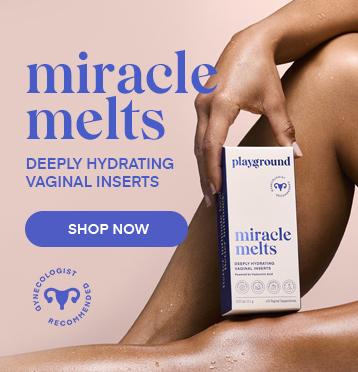
A hydrating vaginal insert is one form of vaginal moisturizer. Inserts melt inside the vaginal canal and deliver hydrating ingredients directly to the tissue. Regular use helps build and maintain moisture over time.
When to Use a Vaginal Moisturizer
Use a vaginal moisturizer if you experience ongoing vaginal dryness, not just during sex. Women going through perimenopause or menopause, those on certain medications, or anyone dealing with chronic dryness benefit from consistent moisturizing. The idea is to treat the dryness itself, not just manage symptoms in the moment.
What Is a Lubricant Used For?
A lubricant is designed to reduce friction during sexual activity. You apply it right before or during sex to make penetration more comfortable and pleasurable.
How Lubricants Work
Lubricants create a slippery layer between surfaces to minimize friction. A water-based personal lubricant is the most versatile type, compatible with condoms and toys, easy to clean up, and gentle on sensitive tissue. An oil-based intimacy oil provides longer-lasting glide and can enhance sensation with botanical ingredients, making it a great option for longer sessions.
If you prefer a formula that does more than just glide, a personal lubricant with hyaluronic acid such as personal lubricant with hyaluronic acid can help support comfort by pairing slip with moisture-binding hydration, especially when dryness is a recurring issue.
When to Use a Lubricant
Any time you want more comfort or pleasure during sex. Even women who produce plenty of natural lubrication enjoy using a lubricant for the added sensation. And for women dealing with any level of dryness, lube is essential for protecting delicate tissue from friction-related microtears.
The Key Differences
Here's the simplest way to think about it.
A vaginal moisturizer treats the underlying dryness. You use it on a schedule, whether or not you're having sex. A lubricant addresses friction during sex. You use it in the moment when you need that slippery comfort.
A vaginal moisturizer works over time by improving tissue hydration. A lubricant works immediately by reducing surface friction. A vaginal moisturizer is used every few days as maintenance. A lubricant is used as needed during sexual activity.
Can You Use Both?
Not only can you, many women should. Using a vaginal moisturizer regularly keeps tissue hydrated and healthy between intimate moments. Adding a personal lubricant during sex provides that extra layer of comfort and pleasure when you need it most.
The two products complement each other. Moisturizers address the root cause of dryness, while lubricants make the experience of sex itself more comfortable.
Can You Use Vaginal Moisturizer During Sex?
Some vaginal moisturizers can double as mild lubricants, but they're not specifically designed for the sustained friction of sexual activity. A dedicated lubricant provides better, longer-lasting glide during sex. Use your moisturizer on its own schedule, and reach for lubricant when intimacy calls.
How to Choose the Right Product for You
Picking between a moisturizer and lubricant (or deciding you need both) comes down to when and where you're experiencing dryness.
Everyday dryness, itching, or irritation outside of sex calls for a vaginal moisturizer. Discomfort only during sex, or wanting enhanced sensation during sex, calls for a lubricant. Dryness that affects your daily comfort and also impacts sex calls for both.
When choosing either product, look for formulas that are pH-balanced, free of parabens and fragrances, and designed specifically for vaginal use. Products that mimic your vaginal secretions in terms of pH and osmolality are the gentlest on sensitive tissue. Playground's products are clinically tested, free of common irritants, and formulated specifically for intimate wellness.
Better Intimate Health, Better Intimacy with Playground
Whether you need daily hydration, in-the-moment comfort, or both, Playground has you covered. Miracle Melts deliver deep, lasting hydration with hyaluronic acid. Free Love provides pH-balanced, glycerin-free lubrication for sensitive intimate moments. And Mood Maker brings botanicals and longer-lasting glide when you want enhanced sensation.
Get our Ultimate Hydration Bundle for complete daily and intimate care
Frequently Asked Questions
Q. Is vaginal moisturizer the same as lube?
No. A vaginal moisturizer hydrates tissue over time and is used on a regular schedule. A lubricant reduces friction during sex and is used in the moment. While there's some overlap, they serve different purposes.
Q. How often should I use a vaginal moisturizer?
Most women benefit from using a vaginal moisturizer every 2-3 days. Your specific schedule depends on how dry your tissue feels. Consistency is key because moisturizers build hydration over time.
Q. Can I use coconut oil as a vaginal moisturizer or lubricant?
Coconut oil is sometimes used as a natural lubricant, but it can disrupt vaginal pH, degrade latex condoms, and may increase the risk of yeast infections. A product specifically formulated for vaginal use is safer.
Q. Do I still need lube if I use a vaginal moisturizer?
Often, yes. A vaginal moisturizer improves baseline tissue health and hydration, but during sex your body may still benefit from extra lubrication to reduce friction and enhance comfort.
Q. What ingredients should I avoid in vaginal products?
Avoid glycerin (which can promote yeast growth), parabens, fragrances, propylene glycol, and petroleum-based ingredients. Choose products formulated specifically for intimate use with a pH between 3.8 and 4.5.


