


If you've been dealing with vaginal dryness, you're far from alone. Research shows that around 17% of premenopausal women and over 40% of postmenopausal women experience this uncomfortable symptom [1]. The good news? There are several effective treatment options available, from vaginal suppositories for dryness to creams and gels.
But which one actually works best? Let us break it down for you.
What Causes Vaginal Dryness?
Before we dive into solutions, it helps to understand what's happening in your body. Vaginal dryness occurs when the delicate tissue of your vagina loses moisture and elasticity. This can happen for several reasons:
Hormonal changes are the most common culprit during menopause, perimenopause, or while breastfeeding; your estrogen levels drop significantly. Estrogen is crucial for maintaining healthy vaginal tissue, so when levels decline, the vaginal walls become thinner, less elastic, and produce less natural lubrication [2].
Dehydration plays a bigger role than most women realize.
When your body doesn't get enough water, every mucous membrane suffers, including your vagina [3].
Stress also contributes to vaginal dryness by affecting blood flow and hormone regulation [4]. Other factors include certain medications, smoking, and autoimmune conditions [5].
Understanding Your Options: Suppositories, Creams, and Gels
When it comes to treating vaginal dryness, you have three main types of products to choose from. Each works differently, and understanding these differences helps you pick what's right for your body.
Vaginal Suppositories for Dryness
Vaginal suppositories for dryness are small, solid forms that you insert into your vagina, where they melt with your body's natural warmth. Think of them as moisture capsules designed to release active ingredients exactly where you need them.
A clinical study found that hyaluronic acid vaginal suppositories significantly improved vaginal dryness symptoms, with an 84.44% improvement rate after just 10 applications over 30 days [6]. The study showed these suppositories can restore vaginal moisture by increasing superficial cell percentage and decreasing vaginal pH.
The beauty of suppositories lies in their targeted delivery. Unlike creams that can feel messy or migrate, suppositories work from the inside out, coating your vaginal walls evenly as they dissolve.
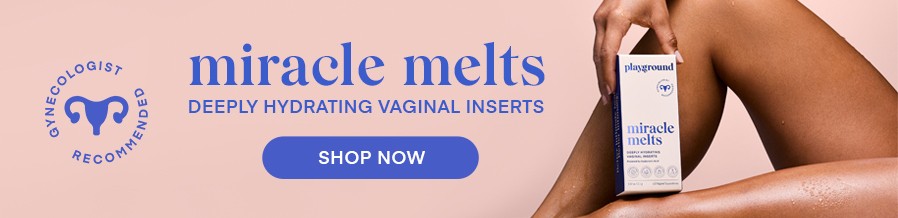
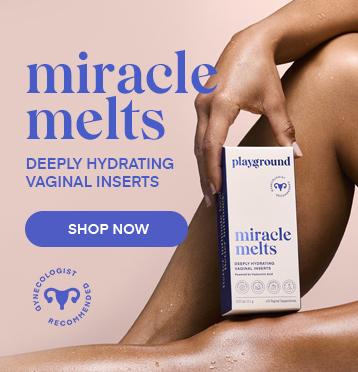
Miracle Melts are a perfect example. The best vaginal suppositories for dryness contain hyaluronic acid and glycerides, hormone-free ingredients that hydrate vaginal tissue deeply. Use them every few days to maintain consistent moisture levels without the fuss of daily application.
Pair suppositories with our best lube for vaginal health for optimal results.
Vaginal Moisturizing Creams for Dryness
Vaginal moisturizing creams are thicker, emollient-based formulas you apply externally to the vulva or internally with an applicator. They're often enriched with moisturizing agents that adhere to the vaginal epithelium.
Research shows that polycarbophil-based vaginal creams can help preserve moisture levels by adhering to epithelial cells on the vaginal wall [7]. These creams are particularly helpful if you experience dryness both internally and externally.
However, some creams contain ingredients that may cause irritation in sensitive individuals. Always check for clean, hypoallergenic formulations free from parabens, fragrances, and petrochemicals.
Vaginal Gels for Dryness
Vaginal gels sit somewhere between creams and lubricants. They're typically water-based and lighter in texture than creams, making them comfortable for daily use.
Studies demonstrate that hyaluronic acid vaginal gels significantly ease vaginal dryness and can improve vaginal secretions, epithelial thickness, and tissue color compared to baseline [6]. Gels often provide immediate relief while also working over time to improve tissue health.
One advantage of gels is their versatility. You can use them as a daily moisturizer or apply them right before intimacy for added comfort.
Which Treatment Works Best for Vaginal Dryness?
There's no one-size-fits-all answer. The ideal depends on your specific needs, lifestyle, and symptom severity.
Choose Suppositories for Dryness If:
- You want targeted, long-lasting internal moisture
- You prefer less frequent application (every 2-3 days)
- You're looking for a mess-free option
- You need deep tissue hydration
Choose Creams for Dryness If:
- You experience both internal and external dryness
- You want flexibility in application (internal or external)
- You prefer something you can see and feel being applied
- You need immediate external relief
Choose Gels for Dryness If:
- You want a lighter texture
- You prefer water-based formulas
- You need something versatile for both moisture and intimacy
- You want a product that absorbs quickly
Combining Treatments for Best Results
You can combine different treatment types for optimal relief. Many gynecologists actually recommend this approach for moderate to severe dryness.
For example, you might use vaginal suppositories like Miracle Melts every few days for deep, sustained hydration. Then, for intimacy, add a water-based lubricant like Free Love or Love Sesh for immediate comfort and glide.
This combination addresses both the underlying tissue health issue and provides symptomatic relief when you need it most.
What About Vaginal Creams for Menopause?
If you're navigating menopause, you might be wondering about hormonal versus non-hormonal options. While hormonal vaginal creams containing estrogen are highly effective, they're not right for everyone.
Research shows that advancing menopausal stage is strongly associated with developing vaginal dryness, regardless of partnered sexual activity [8]. Higher concurrent endogenous estrogen levels were associated with reduced probability of incident vaginal dryness [8].
However, many women prefer or require non-hormonal alternatives due to personal health history or preference. Hyaluronic acid-based products offer an excellent hormone-free option that's been clinically proven effective [6].
The key is choosing high-quality formulations with ingredients that mimic your body's natural moisture mechanisms. Products containing hyaluronic acid sodium salt work by attracting and retaining water molecules in the vaginal tissue, naturally restoring moisture balance.
Beyond Topical Treatment (Lifestyle Factors)
While vaginal moisturizing creams and suppositories are powerful tools, lifestyle factors also play a crucial role in managing vaginal dryness.
Stay hydrated. Drink at least 8 glasses of water daily. Sufficient liquid intake is essential for proper vaginal lubrication [3].
Manage stress. Chronic stress is linked to lower levels of genital arousal and can contribute to vaginal dryness [4]. Consider stress-reduction techniques like meditation, yoga, or regular exercise.
Maintain sexual activity. Research shows that sexual activity helps maintain vaginal elasticity and pliability. Regular blood flow to the vaginal area promotes tissue health [5].
Quit smoking. Smoking decreases circulation and impairs receptor function, which can worsen vaginal dryness [6].
Many women also find that pairing topical treatments with supplements for vaginal dryness can offer more comprehensive relief by supporting tissue health from the inside out [7].
Complementing vaginal suppositories, explore natural remedies for dryness for comprehensive care.
Making Your Choice
When selecting between suppositories, creams, and gels, consider these practical factors:
Convenience: Suppositories require less frequent application but take a few minutes to insert. Creams and gels can be applied quickly but may need daily use.
Messiness: Suppositories can cause some discharge as they melt. Creams may feel heavy. Gels are typically the least messy option.
Effectiveness duration: Suppositories tend to provide longer-lasting moisture (2-3 days). Creams and gels may need daily application for sustained results.
Cost: Consider the cost per application, not just the product price. Suppositories may seem pricier upfront, but they last longer.
Ingredients: Always check for clean, safe ingredients. Avoid products with glycerin if you're prone to yeast infections, and steer clear of parabens, fragrances, and petrochemicals.
What Works in Real Life
In practice, most women find success with a combination approach. Use suppositories as Miracle Melts for ongoing moisture maintenance, and keep a water-based lubricant on hand for intimacy.
Clinical trials have shown that women using hyaluronic acid suppositories report significant improvement in vaginal dryness, with treatment being well-tolerated and safe [6]. The study demonstrated an improvement rate of nearly 85% after consistent use.
For immediate comfort during sex, add a pleasure-enhancing oil like Mood Maker to your routine. This adaptogen-infused intimate oil not only provides glide but also promotes blood flow to enhance sensation.
FAQ
Q: What is the best treatment for severe vaginal dryness?
For severe vaginal dryness, vaginal suppositories for dryness containing hyaluronic acid offer the most concentrated and long-lasting relief. Clinical studies show improvement rates over 80% with regular use [6]. Combine with lifestyle changes like increased hydration and stress management for the best results.
Q: How often should you use vaginal suppositories for dryness?
Most hyaluronic acid suppositories, like Miracle Melts, are designed for use every 2-3 days. Clinical protocols typically recommend one suppository every three days for 30 days initially, then as needed for maintenance [6].
Q: Can you use vaginal moisturizing creams every day?
Yes, vaginal moisturizing creams are generally safe for daily use. Unlike lubricants meant only for intimacy, moisturizers are designed to maintain ongoing tissue health. Choose hormone-free, hypoallergenic formulas to minimize irritation risk.
Q: What's the difference between lubricants and vaginal creams for menopause?
Lubricants provide temporary slipperiness for sexual activity, while vaginal creams for menopause (and suppositories) work to restore tissue health over time. Lubricants address immediate comfort, whereas moisturizing products treat the underlying dryness by improving tissue hydration and thickness [7].
Q: Are hormone-free vaginal suppositories effective?
Absolutely. Studies confirm that hormone-free suppositories containing hyaluronic acid are highly effective for vaginal dryness, showing improvement rates comparable to estrogen-based treatments without hormonal side effects [6]. They're an excellent option for women who cannot or prefer not to use hormonal therapy.
Q: Can vaginal dryness be reversed naturally?
While lifestyle changes like staying hydrated, reducing stress, and maintaining sexual activity support vaginal health, moderate to severe dryness typically requires targeted treatment with vaginal suppositories for dryness, creams, or gels [3, 4]. Natural approaches work best when combined with quality moisturizing products.
References
[1] Goncharenko, V., Bubnov, R., Polivka Jr., J., Zubor, P., Biringer, K., Bielik, T., Kuhn, W., & Golubnitschaja, O. (2019). Vaginal dryness: individualised patient profiles, risks and mitigating measures. EPMA Journal.
[2] Gandhi, J., Chen, A., Dagur, G., Smith, N., Cali, B., & Khan, S.A. (2016). Genitourinary syndrome of menopause: an overview of clinical manifestations, pathophysiology, etiology, evaluation, and management. American Journal of Obstetrics and Gynecology.
[3] Golubnitschaja, O. (2017). Feeling cold and other underestimated symptoms in breast cancer: anecdotes or individual profiles for advanced patient stratification?
[4] Hamilton, L.D., & Meston, C.M. (2013). Chronic stress and sexual function in women. The Journal of Sexual Medicine.
[5] Mark, J.K.K., Samsudin, S., Looi, I., & Yuen, K.H. (2024). Vaginal dryness: a review of current understanding and management strategies. Climacteric.
[6] Chen, J., Geng, L., Song, X., Li, H., Giordan, N., & Liao, Q. (2013). Evaluation of the efficacy and safety of hyaluronic acid vaginal gel to ease vaginal dryness: a multicenter, randomized, controlled, open-label, parallel-group, clinical trial. Journal of Sexual Medicine.
[7] North American Menopause Society. (2013). Management of symptomatic vulvovaginal atrophy: 2013 position statement of The North American Menopause Society. Menopause.
[8] Waetjen, L.E., Crawford, S.L., Chang, P.Y., Reed, B.D., Hess, R., Avis, N.E., Harlow, S.D., Greendale, G.A., Dugan, S.A., & Gold, E.B. (2018). Factors associated with developing vaginal dryness symptoms in women transitioning through menopause: a longitudinal study. Menopause.


