


Lichen sclerosus flare-ups can disrupt your daily life with intense itching, discomfort, and anxiety about what triggered the episode. While lichen sclerosus is a chronic skin condition that primarily affects the vulva and other genital areas, understanding what causes flare-ups empowers you to manage symptoms more effectively and reduce their frequency.
Approximately 3% of women over 80 experience lichen sclerosus, though the condition affects women at all ages, particularly during perimenopause and menopause . Many women live with undiagnosed symptoms for years, with an average diagnostic delay of around 5 years . Recognizing flare-up triggers helps you take control of your vulvar health and maintain your quality of life.
What Is Lichen Sclerosus?
Lichen sclerosus is a chronic inflammatory skin condition that causes white, patchy areas on the vulva, around the anus, or occasionally on other parts of the body. Women are 3 to 10 times more likely than men to develop the condition . The exact cause remains unknown, but researchers believe an overactive immune response, genetic factors, and hormonal changes all play a role.
Lichen sclerosus vulva symptoms include white patches, thinning skin, itching, pain, and tissue changes that can lead to scarring if left untreated. While the condition cannot be cured, proper management significantly reduces symptoms and prevents complications.
Common Triggers of Lichen Sclerosus Flare-Ups
Understanding what sparks a flare-up helps you avoid triggers and maintain more consistent symptom control.
Trauma and Friction
Physical trauma to the vulvar area ranks among the most common causes of lichen sclerosus flare-ups. Friction from tight clothing, bicycle seats, horseback riding, or vigorous sexual activity can damage delicate skin and trigger inflammation . Even seemingly minor actions like scratching itchy areas or using rough towels can worsen symptoms.
The Köbner phenomenon describes how lichen sclerosus lesions develop at sites of skin injury . Once you understand friction's role in flare-ups, you can make simple adjustments to protect vulnerable skin.
Hormonal Changes
Hormonal fluctuations during perimenopause and menopause strongly influence lichen sclerosus severity. Research shows that women with lichen sclerosus have decreased levels of free testosterone and androstenedione, and their affected tissues lose androgen receptors . Lower estrogen levels during menopause thin vulvar tissue and reduce natural lubrication, making skin more susceptible to damage and inflammation.
Many women notice worsening symptoms as they transition through menopause. Oral contraceptives with antiandrogenic properties may also affect vulvar function in women with lichen sclerosus .
Stress and Immune Function
While not directly proven, chronic stress may contribute to flare-ups by affecting immune function. Lichen sclerosus involves immune system changes at the T-cell and B-cell level . When stress compromises your immune response, your body may struggle to regulate the inflammatory processes that drive lichen sclerosus symptoms.
Irritants and Hygiene Products
Harsh soaps, scented products, bubble baths, and conventional laundry detergents can irritate sensitive vulvar skin and provoke flare-ups. Moist toilet tissues, fragrance-filled panty liners, and douches strip away protective oils and disrupt the vulva's natural pH balance .
Some women find that incontinence or exposure to urine worsens their symptoms. Maintaining gentle cleansing routines without irritating chemicals helps minimize flare-up frequency.
Recognizing Symptoms of Lichen Sclerosus During Flare-Ups
Symptoms of lichen sclerosus intensify during flare-ups, making daily activities uncomfortable. Key warning signs include:
- Severe itching that interrupts sleep and concentration
- Burning or stinging sensations
- White, thickened patches (hyperkeratosis) or thin, crinkled skin
- Bleeding or tearing from minor friction
- Pain during urination or bowel movements
- Painful intercourse (dyspareunia) or complete inability to have sex (apareunia)
- Visible skin changes, including purple bruising (purpura) or small tears (fissures)
Approximately 10% of cases remain asymptomatic, but most women experience at least some discomfort . Paying attention to symptom patterns helps you identify your personal triggers.
How to Manage Lichen Sclerosus Treatment During Flare-Ups
Lichen sclerosus treatment centers on reducing inflammation, relieving symptoms, and preventing long-term complications. Medical treatment combined with lifestyle adjustments provides the most effective management strategy.
Medical Treatment Options
High-potency topical corticosteroids remain the gold standard for lichen sclerosus treatment. Clinical studies show that 75 to 90% of patients improve significantly after three months of consistent corticosteroid use, compared to only 10% improvement in placebo groups . Clobetasol propionate 0.05% ointment is most commonly prescribed.
Your healthcare provider typically recommends applying a fingertip unit (0.5g) of ointment once daily for three months, then transitioning to maintenance therapy. Long-term studies demonstrate that consistent maintenance treatment dramatically reduces scarring and lowers cancer risk by approximately 4.7% over several years .
Supportive Care Measures
Beyond prescription medications, supportive care significantly impacts symptom management during flare-ups:
Gentle cleansing: Use emollient soap substitutes instead of regular soap. Dab your vulva dry after urinating rather than wiping vigorously .
Barrier protection: Apply petroleum jelly or similar ointments to create a protective barrier against irritation and moisture .
Lubrication for intimacy: When resuming sexual activity after a flare-up subsides, quality lubrication prevents additional trauma. Water-based lubricants designed for sensitive skin provide slip without irritation. Playground's Free Love lubricants offer glycerin-free formulas that work well with delicate vulvar tissue.
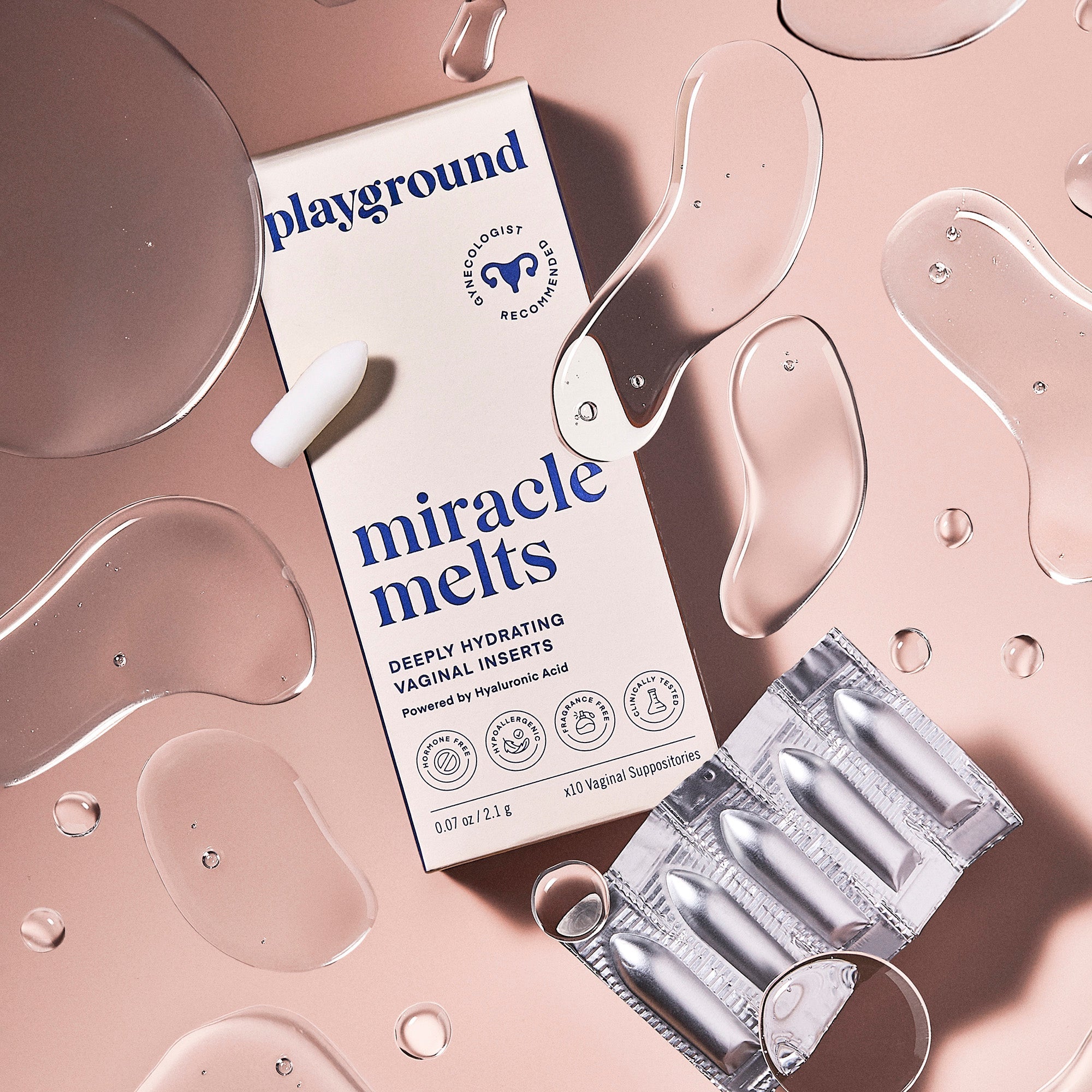
Moisture support: Vaginal dryness often accompanies lichen sclerosus, especially during menopause. Vaginal suppositories containing hyaluronic acid help maintain tissue hydration without hormones. Playground's Miracle Melts provide targeted moisture support that may complement your overall management plan by addressing concurrent dryness issues.
When to Seek Medical Attention
Contact your healthcare provider if standard treatment stops working, you develop new lumps or ulcers, or pain interferes with urination or bowel movements. Approximately 4 to 5% of people with lichen sclerosus develop squamous cell carcinoma in affected areas over their lifetime , making regular monitoring essential.
Prevention Strategies to Reduce Flare-Up Frequency
Proactive habits minimize flare-up triggers and maintain symptom control between episodes:
Clothing choices: Wear loose-fitting cotton or silk underwear. Avoid synthetic fabrics, tight pants, and restrictive clothing that traps moisture and creates friction .
Activity modifications: Choose supportive bicycle seats with cutouts, avoid horseback riding during active flare-ups, and modify exercise routines that cause excessive friction.
Product selection: Wash underwear with water only, avoiding conventional detergents. Choose fragrance-free panty liners when necessary .
Stress management: While direct evidence linking stress to lichen sclerosus remains limited, managing stress supports overall immune health and may help regulate inflammatory responses.
Consistent treatment adherence: Perhaps most importantly, maintain your prescribed maintenance therapy even when symptoms improve. Women who consistently apply topical corticosteroids twice weekly show significantly better long-term outcomes than those who stop treatment during symptom-free periods .
FAQs
Q: What is the main cause of lichen sclerosus flare-ups?
Multiple factors trigger flare-ups, with physical trauma and friction being the most common culprits. Hormonal changes during menopause, exposure to irritants, and immune system activity also contribute to symptom exacerbation.
Q: Can diet affect lichen sclerosus symptoms?
Current research does not establish direct links between specific foods and lichen sclerosus flare-ups. However, maintaining overall health through balanced nutrition supports immune function and may indirectly benefit symptom management.
Q: How long do lichen sclerosus flare-ups typically last?
Flare-up duration varies widely depending on triggers and treatment response. With prompt treatment using topical corticosteroids, many women see improvement within days to weeks. Untreated flare-ups may persist for weeks or months.
Q: Does lichen sclerosus always affect the vulva?
While lichen sclerosus most commonly affects the vulva and anogenital area in women, 6 to 20% of patients develop extragenital lesions on other body areas . Extragenital lichen sclerosus typically causes fewer symptoms and carries no cancer risk.
Q: Can sexual activity cause lichen sclerosus flare-ups?
Sexual activity can trigger flare-ups if friction damages delicate vulvar tissue. Using adequate lubrication, communicating with your partner about comfort levels, and resuming activity gradually after flare-ups helps prevent trauma-related symptoms.
Q: Is lichen sclerosus contagious?
No. Lichen sclerosus is not caused by infection and cannot spread to partners through sexual contact or close physical proximity . You can maintain intimate relationships without concern about transmission.
References:
Kirtschig G. Lichen Sclerosus - Presentation, Diagnosis and Management. Dtsch. Ärztebl. Int. 2016;113(19):337-343.
NHS. Lichen sclerosus. National Health Service. Updated December 2024.


