



Something feels different, and you can't quite put your finger on it. Maybe arousal takes longer, or sex that used to feel great now causes discomfort. If you're in your late 30s to early 50s, perimenopause might be the reason, and it doesn't mean your sex life is over. Far from it.
Perimenopause is the transition period leading up to menopause, and it can last anywhere from 2 to 10 years. During this time, fluctuating estrogen levels affect everything from your mood to your vaginal tissue. Understanding what's happening in your body puts you back in control.
Why Sex Changes During Perimenopause
Hormonal shifts create real physical changes that affect intimacy in ways many women don't expect. Estrogen does far more than regulate your reproductive cycle, and as levels fluctuate and decline, your body responds in predictable ways. Knowing what to expect helps you prepare and adapt so sex can remain pleasurable throughout this transition.
Vaginal Dryness Becomes More Common
Lower estrogen levels reduce blood flow to vaginal tissues and decrease natural lubrication. According to research on genitourinary syndrome of menopause, these changes can make sex uncomfortable or even painful without proper support [1]. A quality vaginal moisturizer used regularly helps maintain tissue hydration between intimate moments.
Arousal May Take Longer
Your body's response time can slow during perimenopause, and what used to happen quickly may now need more buildup. This isn't a problem to fix but rather a shift to accommodate. Extended foreplay and products that enhance sensation can make this adjustment feel natural rather than frustrating.
Desire Can Fluctuate
Some women experience decreased libido during perimenopause, while others notice no change. Chronic stress, which affects cortisol levels, can also impact sexual function [2]. Give yourself grace during this transition and communicate openly with your partner about what you're experiencing.
Practical Ways to Keep Sex Comfortable During Perimenopause
Small adjustments make a significant difference in how intimacy feels during perimenopause. The right products, plenty of communication, and a willingness to explore new approaches transform what could be a challenging time into an opportunity to deepen your intimate connection. Many women report that sex actually improves during this phase once they have the right tools.
Make Lubricant Your Best Friend
A quality personal lubricant addresses dryness immediately and makes penetration comfortable again. Water-based options work beautifully for most situations and are compatible with all condoms and toys. For longer sessions or when you want enhanced sensation, an oil-based intimacy oil provides longer-lasting glide and contains botanicals that can heighten arousal.
Apply lubricant generously before and during intimacy. More is always better when it comes to reducing friction and protecting delicate tissue.
Prioritize Foreplay
Extended foreplay gives your body time to respond naturally. When arousal builds gradually, blood flow increases to vaginal tissues, supporting your own lubrication alongside any products you use. Consider this phase an opportunity to explore what feels good rather than rushing toward penetration.
Communicate With Your Partner
Your partner can't know what feels good unless you tell them. Perimenopause changes what your body needs, and open communication helps both of you adapt together. Frame conversations positively by focusing on what does feel good rather than what doesn't.
Supporting Your Body Between Intimate Moments
Consistent care keeps vaginal tissue healthy and resilient, making sex more comfortable whenever it happens. Think of vaginal care like skincare, as regular maintenance produces better results than occasional treatment. The products you use between intimate moments matter just as much as what you reach for during sex.
Consider Vaginal Moisturizers
Unlike lubricants used only during sex, vaginal moisturizers provide ongoing hydration. Miracle Melts are hormone-free vaginal inserts that deliver hyaluronic acid directly to vaginal tissue. Using them regularly, not just before sex, helps maintain moisture levels over time.
Research shows hyaluronic acid vaginal preparations can significantly improve vaginal dryness symptoms without hormones [4].
Stay Sexually Active
Regular sexual activity, whether partnered or solo, promotes blood flow to vaginal tissues. Consider incorporating a vibrator like Playdate into your routine for stimulation 2-3 times per week. Consistent arousal helps maintain tissue health, responsiveness, and natural lubrication capacity.
Address Stress
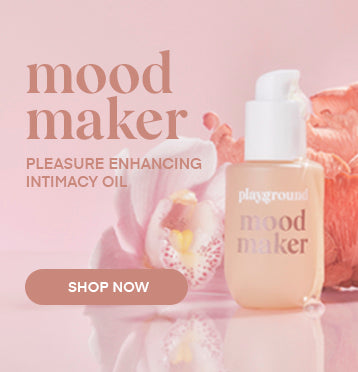
Chronic stress directly impacts sexual function [2]. Finding ways to manage stress, whether through exercise, meditation, or simply carving out time for yourself, supports both your mental health and your sex life. The ashwagandha in products like Mood Maker has been studied for supporting sexual function in women [3].
When to Talk to a Healthcare Provider For Perimenopause
Some situations benefit from professional guidance, and knowing when to seek help ensures you get appropriate care. Your doctor can rule out other conditions and discuss the full range of treatment options available to you, including both hormonal and non-hormonal approaches.
Persistent Pain During Sex
If sex remains painful despite using lubricant generously, talk to your doctor. Conditions like vaginal atrophy may require additional treatment options beyond over-the-counter products.
Significant Changes in Bleeding
Irregular periods are normal during perimenopause, but heavy bleeding or bleeding after sex should be evaluated to rule out other causes.
Mood Changes Affecting Daily Life
Hormonal shifts can intensify anxiety or depression. If mood changes interfere with your relationships or wellbeing, support is available through your healthcare provider.
Better Intimate Health, Better Intimacy with Playground
Perimenopause isn't an ending. Many women report that sex actually improves during this phase because they feel more confident about their bodies and more comfortable communicating their needs. Playground's clinically-tested, hormone-free formulas help you feel comfortable and confident during intimacy. From hydrating inserts to arousal-enhancing oils, we support your body through every stage.
Get our Ultimate Hydration Bundle for complete perimenopause comfort
Frequently Asked Questions
Q. Does perimenopause affect sex drive?
It can. Fluctuating estrogen and progesterone levels affect libido differently for each woman. Some experience decreased desire, others notice no change, and some report increased interest once they're freed from pregnancy concerns.
Q. Why is sex painful during perimenopause?
Lower estrogen reduces vaginal lubrication and thins vaginal tissue, creating friction during penetration. Using generous lubricant, allowing more time for arousal, and using vaginal moisturizers regularly helps significantly.
Q. How long does perimenopause last?
Perimenopause typically lasts 4-8 years, though it can range from 2-10 years. Sexual symptoms may start years before your final period, so early attention to vaginal health pays off.
Q. Can I still get pregnant during perimenopause?
Yes. Until you've gone 12 consecutive months without a period, pregnancy is possible. Use contraception if you don't want to conceive, even if your periods have become irregular.
Q. What helps with vaginal dryness during perimenopause?
Regular use of vaginal moisturizers maintains tissue hydration, while lubricants provide immediate comfort during sex. Hyaluronic acid products work well without hormones, and staying sexually active promotes natural lubrication.
References:
[1] Genitourinary syndrome of menopause: an overview of clinical manifestations, pathophysiology, etiology, evaluation, and management. Am J Obstet Gynecol. 2019.
[2] Hamilton LD, Meston CM. Chronic stress and sexual function in women. J Sex Med. 2013.
[3] Dongre S, Langade D, Bhattacharyya S. Efficacy and Safety of Ashwagandha (Withania somnifera) Root Extract in Improving Sexual Function in Women. Biomed Res Int. 2015.
[4] Chen J, et al. Evaluation of the efficacy and safety of hyaluronic acid vaginal gel to ease vaginal dryness. J Sex Med. 2013.


